Aluminum Foil vs Plastic Containers: Which is Better for Food Packaging?
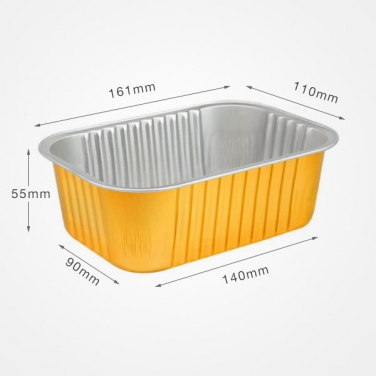
The Growing Debate
As sustainability becomes a priority for consumers and regulators alike, the choice between aluminum foil and plastic food containers has never been more important. Let's compare them across key factors.
Safety and Health
Aluminum foil containers are inert and do not leach chemicals into food, even at high temperatures. They are safe for oven use up to 260°C (500°F). FDA and EU food contact regulations approve food-grade aluminum.
Plastic containers can leach chemicals like BPA, phthalates, and microplastics, especially when heated. Many plastics are not microwave-safe, and some degrade with repeated use.
Environmental Impact
Aluminum is 100% recyclable infinitely without quality loss. The global recycling rate for aluminum is around 76%, making it one of the most recycled materials. In contrast, only 9% of all plastic ever produced has been recycled. Most plastic food containers end up in landfills or oceans.
Performance
Aluminum foil containers offer superior heat conductivity for even cooking and reheating. They can go directly from oven to table. Plastic containers cannot be used in conventional ovens and may warp or melt with hot foods.
Cost Comparison
While plastic containers may have a lower unit price, aluminum foil containers offer better value when considering: reduced food waste (better preservation), no need for separate oven-to-table transfer, and premium brand perception that can justify higher menu prices.
The Verdict
For food businesses prioritizing safety, sustainability, and food quality, aluminum foil containers are the clear winner. The initial cost difference is minimal compared to the long-term benefits.